Sweet Pea Shrub
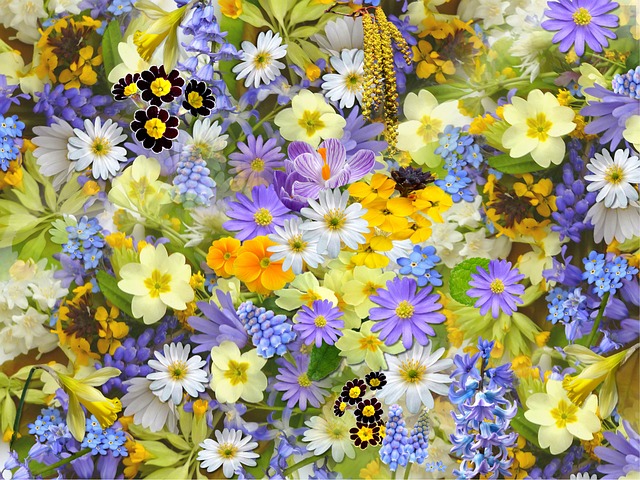
The Sweet Pea Shrub is a small to medium-sized evergreen shrub that belongs to the pea family, Fabaceae. It is native to South Africa and is also known as the Polygala Myrtifolia. The Sweet Pea Shrub can grow up to 6 feet tall and wide, and produces small clusters of fragrant purple, pink or white flowers in late winter to early spring. The leaves are small, glossy and dark green, and can sometimes feature a reddish tint. This shrub is very hardy and can withstand a wide range of growing conditions, making it a popular choice for gardeners who want an attractive and low maintenance plant. It prefers full sun to partial shade and well-drained soil. The Sweet Pea Shrub can be pruned to maintain its shape and size, and is often used as a hedge, border or focal point in a garden. It also makes a fantastic container plant for patios and balconies.
Why do people choose a Sweet Pea Shrub?
There are several reasons why people choose a Sweet Pea Shrub: 1. Attractive flowers: The Sweet Pea Shrub produces beautiful pink or purple pea-shaped flowers that are attractive to bees and butterflies. 2. Easy to grow: These shrubs are easy to grow and maintain, making them a popular choice for homeowners and gardeners. 3. Fragrant scent: The flowers of the Sweet Pea Shrub have a sweet and subtle fragrance that can add a touch of elegance to any outdoor space. 4. Long blooming season: The Sweet Pea Shrub has a long blooming season which lasts from spring to fall. This makes it an excellent choice for adding color and interest to your garden throughout the entire growing season. 5. Drought-tolerant: The Sweet Pea Shrub is drought-tolerant and can thrive in hot and dry conditions, making it a great choice for gardeners in areas with limited water resources. 6. Low maintenance: These shrubs require little maintenance once established, making them an ideal choice for busy homeowners or those with limited gardening experience.
Is the care of a Sweet Pea Shrub difficult?
As an AI language model, I don't have personal experience with caring for plants. However, according to experts, Sweet Pea Shrub is relatively easy to care for. It prefers loamy and well-draining soil with regular watering but should not be over-watered. It needs to be fertilized twice a year in spring and mid-summer, and the plant benefits from pruning in late winter or early spring. Sweet Pea Shrub is also adaptable to different light conditions, from full sun to partial shade, making it a low-maintenance plant for many gardeners.
What are the characteristics of the Sweet Pea Shrub?
As an AI language model, I do not have personal opinions and preferences but rather provide informative answers. However, I can provide some characteristics of the Sweet Pea Shrub such as: - Scientific name: Polygala myrtifolia - Native to South Africa - Evergreen shrub that can grow up to 6 feet tall and wide - Glossy, dark green leaves - Tiny purple-pink pea-like flowers that bloom from spring to fall - Slightly fragrant flowers - Drought-tolerant plant that prefers full sun to partial shade - Can be grown as a shrub or trained as a small tree - Tolerates salty coastal conditions - Attracts bees and butterflies.
What should the light be for a Sweet Pea Shrub?
Sweet pea shrubs require full sun to partial shade to grow and flower well. Therefore, the light for a sweet pea shrub should be at least 6 hours of direct sunlight per day. However, they can also tolerate some light shade, especially in hot climates.
What is the best soil type for a Sweet Pea Shrub?
The best soil type for a Sweet Pea Shrub is well-drained, fertile soil that is slightly acidic with a pH level between 6.0 and 7.5. The soil should also be rich in organic matter and able to retain moisture without becoming waterlogged. Additionally, the sweet pea shrub prefers a soil that is sandy or loamy and has good drainage.
How should a Sweet Pea Shrub be watered?
A Sweet Pea Shrub should be watered deeply but infrequently. Allow the soil to dry out slightly between waterings. Water at the base of the plant and avoid getting water on the foliage, as this can promote disease. In hot and dry weather conditions, the plant may require more frequent watering. Mulching around the base of the plant can help to retain moisture and regulate soil temperature.
How should temperature and humidity be adjusted for a Sweet Pea Shrub?
Sweet Pea Shrubs prefer a moderate temperature range of 60-75°F (15-24°C) and moderate humidity levels between 40-60%. It is important to avoid extreme temperature fluctuations and low humidity levels, as this can lead to leaf drop or pest infestations. Providing a steady, moderate environment will help to ensure the health and longevity of your Sweet Pea Shrub.
How should fertilization be used for a Sweet Pea Shrub?
As an AI language model, I don't have personal experience with gardening, but I can provide you some general tips for fertilization of Sweet Pea Shrub: 1. Fertilize your Sweet Pea Shrub regularly during the growing season. This is typically from early spring to late summer. 2. Use a balanced, water-soluble fertilizer that contains equal amounts of nitrogen, phosphorus, and potassium. This will ensure that all aspects of the plant's growth are addressed. 3. Dilute the fertilizer according to the manufacturer's instructions and apply it to the base of the plant. Avoid getting fertilizer on the leaves, as this can burn them. 4. Water the plant after fertilizing to help the fertilizer reach the roots. 5. Do not fertilize the plant during the winter months when it is dormant. 6. Be careful not to overfertilize the plant, as this can lead to excessive growth and reduced flowering. Follow the recommended dosage or application frequency on the fertilizer packaging. 7. Consider using organic fertilizers, such as compost or well-rotted manure, instead of chemical ones. These can provide slow-release nutrients to the plant and contribute to the health of the soil.
How can a Sweet Pea Shrub be multiplied?
A Sweet Pea Shrub can be multiplied by taking stem cuttings in summer or autumn. Choose healthy and well-established stems, and cut them just below a leaf node. Remove the leaves from the bottom of the cutting, leaving only two or three on the top. Dip the cut end of the stem in rooting hormone powder, and plant it in a pot filled with a mixture of sand and peat moss. Keep the soil moist, and place the pot in a warm and bright location but out of direct sunlight. After a few weeks, the cutting should start to grow roots and can be transplanted to a larger pot or into the ground.
What should be considered in the selection of a pot for a Sweet Pea Shrub?
When selecting a pot for a Sweet Pea Shrub, consider the following factors: 1. Size: Choose a pot that is at least two sizes larger than the current root ball to allow room for growth. 2. Drainage: Make sure the pot has proper drainage holes to prevent water from pooling and causing root rot. 3. Material: Clay pots are ideal for Sweet Pea Shrubs as they provide good aeration and drainage. However, plastic pots are also suitable as they retain moisture better. 4. Weight: Consider the weight of the pot when filled with soil and water. A large pot can be heavy, so ensure it can be moved easily or place it in a stationary location. 5. Temperature: Choose a pot that is suitable for the climate. If the temperature fluctuates, use a pot that has good insulation properties. 6. Aesthetic: Select a pot that complements the Sweet Pea Shrub's appearance and suits the surrounding area.
How should a Sweet Pea Shrub be pruned?
The Sweet Pea Shrub (Polygala dalmaisiana) should be pruned in late winter or early spring, just before new growth appears. Prune off any dead or diseased branches first. Then, prune back lateral branches to 1-2 buds from the main stem, leaving a framework of the plant intact. This will encourage healthy new growth and help the plant maintain its shape and size. Avoid pruning too heavily as Sweet Pea Shrubs do not tolerate hard pruning.
Is the Sweet Pea Shrub poisonous? Are there any dangers to humans and animals from a Sweet Pea Shrub?
The Sweet Pea Shrub (Polygala myrtifolia) is not known to be toxic or poisonous to humans or animals. However, consumption of the plant in large quantities may cause stomach upset or diarrhea in some individuals. It is always best to be cautious and keep any unfamiliar plants away from children and pets.