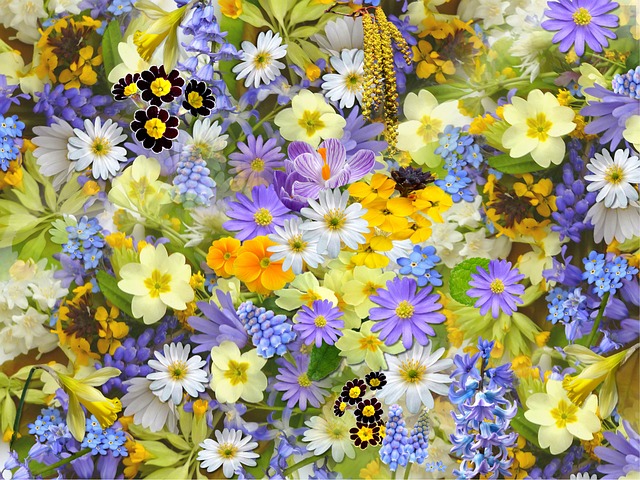
Sugar Tyme Crabapple
The Sugar Tyme Crabapple tree, also known as the Malus 'Sutyzam,' is a small ornamental tree commonly used for landscaping. It typically reaches a height of 15 to 20 feet and a spread of 10 to 15 feet. The Sugar Tyme Crabapple produces beautiful pink buds in the spring that open into fragrant white flowers. In the fall, it produces small, bright red fruits that persist into the winter, providing food for birds. The tree has a dense, rounded form and glossy, dark green foliage that turns yellow in the fall. It is tolerant of a range of soil types and is easy to grow in full sun.
Why do people choose a Sugar Tyme Crabapple?
There are several reasons why people choose a Sugar Tyme Crabapple: 1. Ornamental Value: The Sugar Tyme Crabapple is a beautiful tree that produces vibrant pink buds and white flowers in the spring. This makes it a popular choice for homeowners who want a tree that adds aesthetic value to their yard. 2. Low Maintenance: The Sugar Tyme Crabapple is a hardy tree that requires little maintenance. It is resistant to common diseases and pests, and it can withstand harsh winter weather. 3. Wildlife Attraction: The Sugar Tyme Crabapple produces small, edible fruit that is attractive to birds and other wildlife. This makes it a great addition to naturalized landscapes. 4. Petite Size: The Sugar Tyme Crabapple is a small tree that fits well in smaller gardens and yards. It grows to a maximum height of 20-25 feet, making it an ideal choice for those who want a tree but have limited space. Overall, the Sugar Tyme Crabapple is a versatile and attractive tree that provides a range of benefits to homeowners.
Is the care of a Sugar Tyme Crabapple difficult?
As an AI language model, I don't have personal experience. But according to resources found online, Sugar Tyme Crabapple is relatively easy to care for. It is a disease-resistant tree that needs full sun exposure and regular watering, especially during the first few years after planting. It doesn't require pruning, but dead branches must be removed promptly to prevent diseases from spreading. Additionally, a fertilizer can be applied once a year in the early spring. Overall, Sugar Tyme Crabapple is considered a low-maintenance tree.
What are the characteristics of the Sugar Tyme Crabapple?
The Sugar Tyme Crabapple tree is a small, ornamental, deciduous tree that grows up to 20 feet tall and wide. The tree is known for its profuse, showy, pinkish-white blossoms that appear in spring. The leaves are glossy and dark green, turning yellow in fall. The fruit is a small, persistent red apple-like berry that persists through winter, providing food for birds. Sugar Tyme Crabapple is also known for its disease-resistant nature, making it a low-maintenance landscaping option.
What should the light be for a Sugar Tyme Crabapple?
A Sugar Tyme Crabapple tree thrives in full sun to partial shade, so it should receive at least six hours of direct sunlight per day.
What is the best soil type for a Sugar Tyme Crabapple?
A Sugar Tyme Crabapple tree thrives in well-draining soil that is moist but not waterlogged. The ideal soil type is a loamy soil that is rich in organic matter with a pH level between 6.0 and 7.0. It is important that the soil is not alkaline, as this may cause the tree to have nutrient deficiencies. However, the tree can tolerate a range of soil types as long as they are well-draining and not extreme in their pH levels.
How should a Sugar Tyme Crabapple be watered?
A Sugar Tyme Crabapple tree should be watered deeply and consistently. The tree should be watered once a week during the growing season, and more frequently during periods of hot weather or drought. The root zone should be soaked to a depth of at least 6 inches to encourage deep root growth. Avoid watering the leaves, as this can promote disease. Additionally, be sure to provide good drainage to prevent waterlogged soil, which can also lead to problems with the tree's health.
How should temperature and humidity be adjusted for a Sugar Tyme Crabapple?
A Sugar Tyme Crabapple tree prefers a moderate temperature range of 60-80°F (15-27°C). It can tolerate a wide range of relative humidity levels, but ideally, the relative humidity should stay between 40-60%. The best way to adjust temperature and humidity for a Sugar Tyme Crabapple is to plant it in a suitable location with adequate sunlight and good air circulation. If the tree is grown indoors or in a greenhouse, a humidifier can be used to maintain proper humidity levels, and the temperature can be regulated using a heater or air conditioner as needed.
How should fertilization be used for a Sugar Tyme Crabapple?
Fertilization should be used for a Sugar Tyme Crabapple in early spring before new growth appears and again in early fall after the growing season has ended. Use a balanced fertilizer with a ratio of 10-10-10 or 12-12-12, applying 1/2 pound per inch of trunk diameter. Scatter the fertilizer evenly over the root zone, avoiding direct contact with the trunk. Water the soil thoroughly after application to help the fertilizer penetrate the root zone. Avoid over-fertilizing, as this can lead to excessive vegetative growth and reduced fruit production.
How can a Sugar Tyme Crabapple be multiplied?
There are several ways to multiply a Sugar Tyme Crabapple: 1. Grafting: This is the most common and reliable way to propagate Crabapple trees. Grafting involves taking a small, healthy cutting from the Sugar Tyme Crabapple tree and attaching it to the rootstock of another Crabapple tree. This method helps preserve the genetic integrity of the Sugar Tyme variety, as the new tree will be an exact replica of the parent tree. 2. Cuttings: Softwood cuttings taken from the Sugar Tyme Crabapple tree in the late spring or early summer can be rooted in a potting mix and grown into new trees. This method is less reliable than grafting but can be used if no suitable rootstock is available. 3. Seed propagation: Crabapple seeds can be planted in the fall or early spring and grown into new trees. However, this method is not recommended for the Sugar Tyme Crabapple as the seedlings may not have the same characteristics as the parent tree and may take several years to develop into mature trees. 4. Division: Mature Sugar Tyme Crabapple trees can be dug up and divided into smaller sections, each of which can be planted to grow into a new tree. However, this method is not commonly used as it can be difficult to divide the root system without damaging the tree.
What should be considered in the selection of a pot for a Sugar Tyme Crabapple?
When selecting a pot for a Sugar Tyme Crabapple tree, the following factors should be considered: 1. Size: The pot should be large enough to accommodate the plant's root system and allow for adequate growth. A minimum of 10-15 gallons is recommended. 2. Drainage: The pot should have proper drainage holes to prevent waterlogging and root rot. 3. Material: The pot material should be durable and able to withstand the elements. Terracotta, ceramic, and plastic pots are all good options. 4. Weight: The pot should be heavy enough to prevent the tree from tipping over in windy conditions. 5. Location: Consider the location where the pot will be placed. Make sure it receives enough sunlight and shade and protection from harsh weather conditions. 6. Soil: Use good quality potting soil that is a good mix of organic and inorganic materials, with adequate drainage for the tree to thrive.
How should a Sugar Tyme Crabapple be pruned?
Sugar Tyme Crabapple trees are generally easy to care for and require minimal pruning. However, regular pruning can help maintain their shape and health. Here are some tips on how to prune a Sugar Tyme Crabapple: 1. Timing: Prune in the late winter or early spring when the tree is still dormant but before new growth begins. 2. Remove dead or damaged branches: Use pruning shears to remove branches that are broken, diseased, or dead. Cut at the base of the branch, close to the main trunk. 3. Thin out crowded branches: Use pruning shears to remove branches that are crossing, rubbing, or growing too close together. This will allow more light and air to reach the center of the tree and promote healthy growth. 4. Trim back long branches: Use pruning shears to cut back branches that are too long and extending beyond the desired shape of the tree. Make cuts just above a bud or lateral shoot. 5. Maintain the shape: Depending on your preference, you can maintain the natural shape of the tree or shape it into a specific form. Use pruning shears to gently shape the tree, being careful not to over-prune. Remember to always use sharp, clean pruning tools to avoid damaging the tree. And if you are unsure about how to properly prune your Sugar Tyme Crabapple, consult with a professional arborist.
Is the Sugar Tyme Crabapple poisonous? Are there any dangers to humans and animals from a Sugar Tyme Crabapple?
No, the Sugar Tyme Crabapple is not toxic or poisonous to humans or animals. The fruit is edible, although it may not be as tasty as other varieties of crabapple. However, the seeds inside the fruit are not edible and should be avoided. As with any fruit, excessive consumption may cause stomach upset.