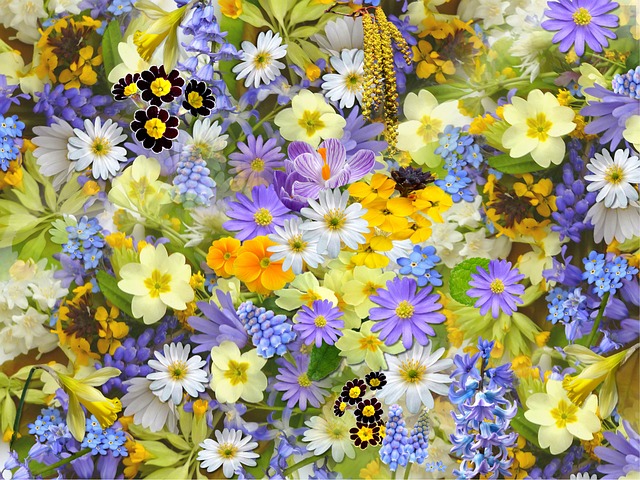
Strawflower
Strawflower, also known as strawflower daisy or everlasting daisy, is a flowering plant native to Australia. It has long-lasting blooms that retain their bright colors even after drying, making it a popular choice in dried flower arrangements. The strawflower is a member of the Asteraceae family and produces large, papery flowers in shades of pink, orange, yellow, and white. It is a hardy plant that prefers full sun and well-draining soil, and can grow up to 2 feet tall. The flowers are also attractive to bees, butterflies, and other pollinators. In addition to its aesthetic value, strawflower has been used in traditional medicine for its antiseptic and anti-inflammatory properties.
Why do people choose a Strawflower?
People choose a Strawflower plant for its everlasting blooms and its ability to last for long periods of time. The plant is also tolerant to heat and drought, making it ideal for arid climates. Additionally, the Strawflower is easy to care for and can be grown in a variety of settings including gardens, containers, and hanging baskets. Lastly, the plant comes in a variety of colors and sizes, making it a versatile addition to any outdoor or indoor space.
Is the care of a Strawflower difficult?
No, the care of a Strawflower is not difficult. These plants require regular watering to keep the soil moist but not soggy. Keep an eye on the plant during hot, dry weather as it may require more frequent watering. These plants prefer full sun and fertile, well-draining soil. Deadheading the spent flowers regularly encourages new blooms and promotes bushiness. Overall, Strawflowers are low maintenance and can be easily grown by novice gardeners.
What are the characteristics of the Strawflower?
The Strawflower (Xerochrysum bracteatum) is a unique flower with the following characteristics: 1. Appearance: The Strawflower is a daisy-like flower with a papery texture. It has a prominent central disk and ray petals that can range in color from white, pale pink, yellow, orange, red, or purple. 2. Long-lasting: The Strawflower is known for being a long-lasting flower. It can remain in good condition for months, making it a favorite for use in dried flower arrangements. 3. Drought-tolerant: The Strawflower is a drought-tolerant plant that can survive in hot, dry conditions. It is native to Australia and can be grown in various climates. 4. Easy to grow: Strawflowers are relatively easy to grow with minimal maintenance required. They prefer full sun and well-drained soil. They are also resistant to pests and diseases. 5. Symbolic: The Strawflower is often associated with everlasting love and longevity, making it a popular choice for wedding bouquets and floral arrangements. 6. Medicinal: The Strawflower has been used in traditional medicine to treat skin conditions, headaches, and other ailments.
What should the light be for a Strawflower?
A Strawflower should be grown in full sun with at least 6 hours of direct sunlight per day.
What is the best soil type for a Strawflower?
Strawflowers thrive in well-drained soil with a pH range of 6.0 to 7.0. Sandy loam or loamy soils are the best for them. They do not do well in heavy clay soils or compacted soils as they require good drainage. It is also important to ensure that the soil is rich in organic matter to enhance soil moisture retention and improve soil nutrient content.
How should a Strawflower be watered?
Strawflowers should be watered deeply, but infrequently. They prefer a soil that is well-draining and not consistently wet. Allow the top layer of soil to dry out before watering again. Avoid getting the flowers or foliage wet when watering to prevent fungal disease. Additionally, water the plants at ground level and avoid wetting the flowers or leaves.
How should temperature and humidity be adjusted for a Strawflower?
Strawflowers (Xerochrysum bracteatum) prefer warm temperatures with low to moderate humidity. The ideal temperature range for strawflowers is between 60-75°F (15-23°C). They can tolerate slightly cooler temperatures but may not flower as well in temperatures above 80°F (27°C). To adjust the temperature for strawflowers, keep them in a warm room or greenhouse with good ventilation and avoid placing them near cold drafts or air conditioning vents. For humidity, strawflowers prefer low to moderate humidity levels between 50-70%. High humidity can lead to fungal diseases, so it is important to ensure proper ventilation and avoid overwatering. Using a dehumidifier or opening windows can help lower humidity levels if necessary. Overall, strawflowers are relatively easy to care for and can tolerate a range of temperature and humidity conditions as long as they receive proper watering and sunlight.
How should fertilization be used for a Strawflower?
Strawflowers prefer a nitrogen-poor soil to encourage blooming, and excessive fertilizer can lead to lots of foliage growth but minimal flowering. It is recommended to fertilize strawflowers with a balanced, slow-release fertilizer at the beginning of the growing season. Another option is to use compost or organic matter as a natural fertilizer. Avoid fertilizing too frequently or with high-nitrogen fertilizers throughout the growing season to encourage healthy blooming rather than excessive foliage growth.
How can a Strawflower be multiplied?
Strawflowers can be multiplied through seeds or by taking stem cuttings. 1. Seeds: Strawflowers produce numerous seeds that can be harvested once the flower heads dry out. To sow the seeds, prepare a potting mix of well-draining soil and plant them about 1/4 inch deep. Keep the soil moist but not waterlogged and place the pot in a bright location. The seedlings should emerge within 7-14 days. 2. Stem cuttings: Take stem cuttings from healthy, mature strawflower plants in the spring or summer. Cut a 3-4 inch long stem and remove the leaves from the bottom two inches. Dip the cut end in rooting hormone powder and plant it in a potting mix of well-draining soil. Keep the soil consistently moist and place the pot in a location with bright but indirect sunlight. The cuttings should begin to root within 2-3 weeks.
What should be considered in the selection of a pot for a Strawflower?
As an AI language model, I don't have personal experience on plant care, but here are some factors that should be considered in the selection of a pot for a Strawflower: 1. Size: The pot size should be appropriate for the root size and the mature plant size. 2. Material: The pot material should be porous to allow air and water to pass through for healthy root growth. Terracotta and clay pots are good options. 3. Drainage: The pot should have drainage holes to prevent waterlogging and root rot. 4. Depth: The pot should be deep enough to accommodate the roots and allow for proper soil depth. 5. Stability: The pot should be sturdy and stable to prevent tipping over, especially during windy conditions. 6. Aesthetics: The pot's appearance should complement the plant and surrounding decor.
How should a Strawflower be pruned?
Strawflowers require minimal pruning, but deadheading can encourage more blooms and prolong the flowering season. To deadhead, simply snip off the faded, spent flowers just above a leaf node or bud. This will redirect the plant's energy into producing more flowers instead of producing seeds, which can improve the plant's overall appearance and promote more prolific blooming. If necessary, you can also remove any damaged or diseased foliage by snipping it off at the base of the stem.
Is the Strawflower poisonous? Are there any dangers to humans and animals from a Strawflower?
No, the Strawflower (Helichrysum bracteatum) is not poisonous to humans or animals. It is considered a non-toxic plant and is safe to have around. However, as with any plant, it is important to be careful with any part of the plant that might pose a choking hazard if ingested. Additionally, individuals with allergies may experience allergic reactions to certain plants, so it's important to be aware of any sensitivities.